


Fasig-Tipton yearling format focuses on Mid-Atlantic
Expanded catalog divvied up by state
 The Biz
 October 25, 2026

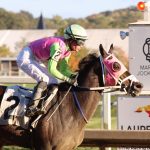
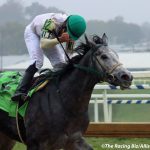
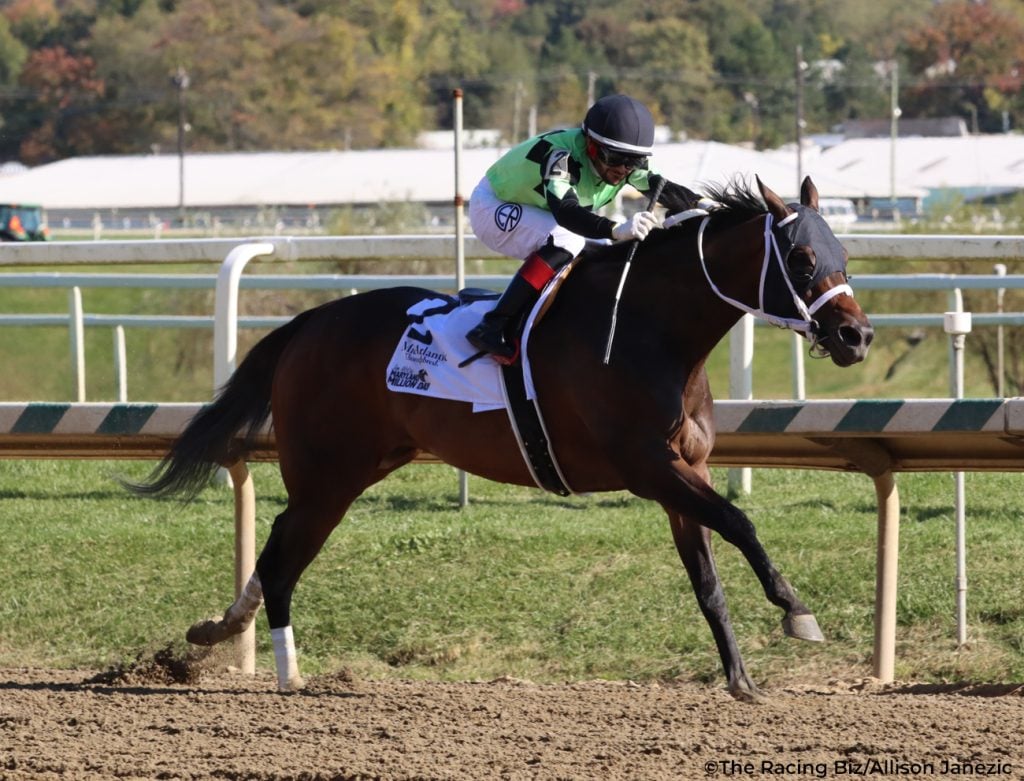
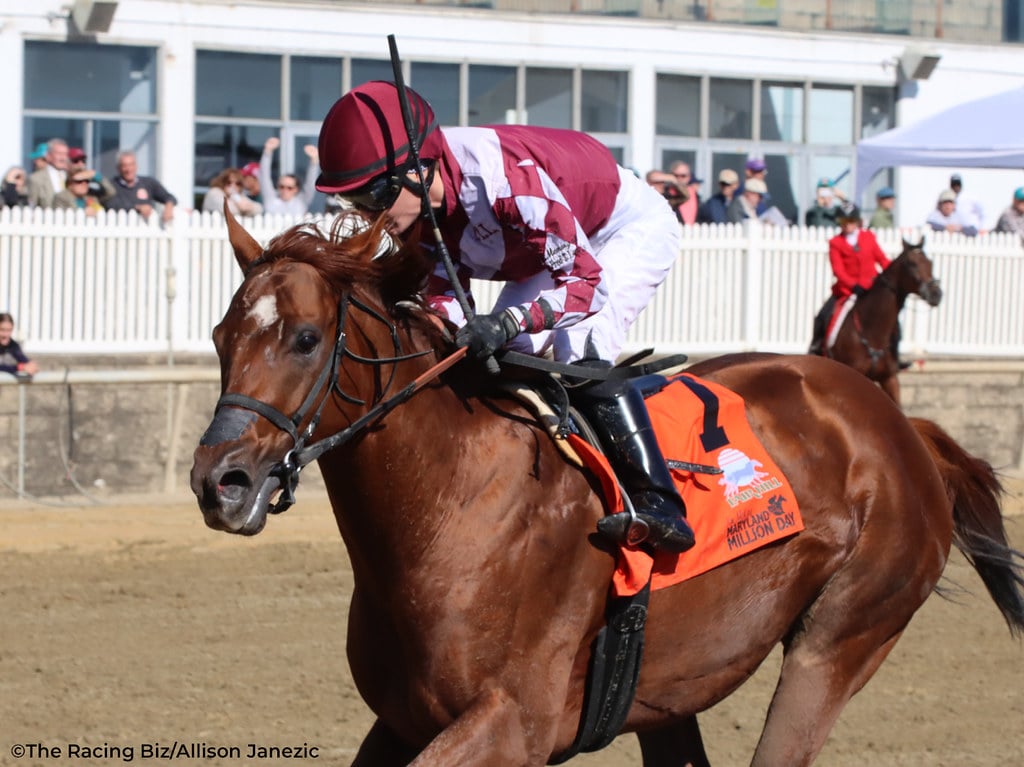
Barbadian Runner offered a timely reminder Saturday of what buyers hope to find at Fasig-Tipton’s Eastern Fall Yearling Sale. Purchased there for $5,000 in 2023, the four-year-old Barbados gelding won his second consecutive Maryland Million Classic, pushing his career earnings to nearly $1.2 million.
Three days later, a new group of yearlings will enter the ring in Timonium, with a new format and a $500,000 Preakness bonus among the attractions.
This article contains affiliate links. If you click and buy, we may earn a commission at no extra charge to you.
Pick up reliable and rewarding tickets for major events!
This year, Fasig-Tipton is putting regional connections front and center, grouping yearlings by where they were bred and highlighting the financial incentives available to their buyers.
The catalog stands at 269 horses two days out, including more than 20 supplemental entries. Fasig-Tipton’s Frank Alosa noted in the Oct. 19 edition of the Midlantic Racing Today podcast that that is a significant increase over last year’s 225 prior to outs.
The new arrangement creates what Alosa called “sales within the sales.” Horses bred outside the seven-state Eastern region will sell first, followed by groups organized by state of birth.
That region encompasses Maryland, Pennsylvania, Virginia, West Virginia, Delaware, New York, and New Jersey. Buyers targeting a particular state’s breeding program will find those horses together, with catalog information and pavilion signage explaining the associated awards and incentives.
“It’s an opportunity to maybe put that information in front of people that may have heard about it but never really did the research,” Alosa said.
The educational push comes as regional breeding programs contend with declining numbers. The latest reports of mares bred from The Jockey Club drives home the point: the 63 stallions standing in Maryland, New Jersey, Pennsylvania, Virginia, and West Virginia had covered 1,007 mares through Sept. 30. That’s 20% fewer stallions than a year ago and 11% fewer mares bred.
Fasig-Tipton hopes a clearer explanation of owners’ awards, breeders’ awards, and certification programs will encourage participation.
Alosa pointed to Maryland’s developer bonus as an incentive buyers might overlook. Under that program, the owner who starts a horse for the first time can retain eligibility for developer awards even after selling the horse.
The new Preakness bonus offers a different incentive.
If a graduate of this year’s sale wins the 2028 Preakness Stakes, the $500,000 bonus would be divided equally between the horse’s owner at the time of its yearling sale and its owner when it wins the Preakness.
Alosa characterized the bonus as a demonstration of the company’s commitment to the regional market and the Triple Crown’s middle jewel. Because it was announced after most entries were secured, he cautioned against assigning it too much credit for the larger catalog.
The horses themselves offer a mix of nationally prominent and familiar regional pedigrees. Alosa cited first-crop yearlings by Arcangelo and Cody’s Wish, along with offspring of Jack Christopher and Jackie’s Warrior, plus regional sires like Blofeld and Great Notion.
The catalog also provides buyers an opportunity to revisit productive regional families whose runners have succeeded over multiple generations.
Barbadian Runner’s success illustrates another selling point: buyers need not spend heavily to find a runner.
“There are race horses at all price levels at this particular sale,” Alosa said.
This year’s auction will also be the first since the death of longtime consignor Bill Reightler. His consignment remains part of the sale, with colleagues continuing the operation.
Alosa recalled encountering Reightler at the Maryland Yearling Show earlier this year. Despite his health challenges, Reightler remained eager to discuss horses headed to the fall auction.
“The only thing he wanted to talk about was October sale,” Alosa said.
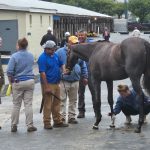
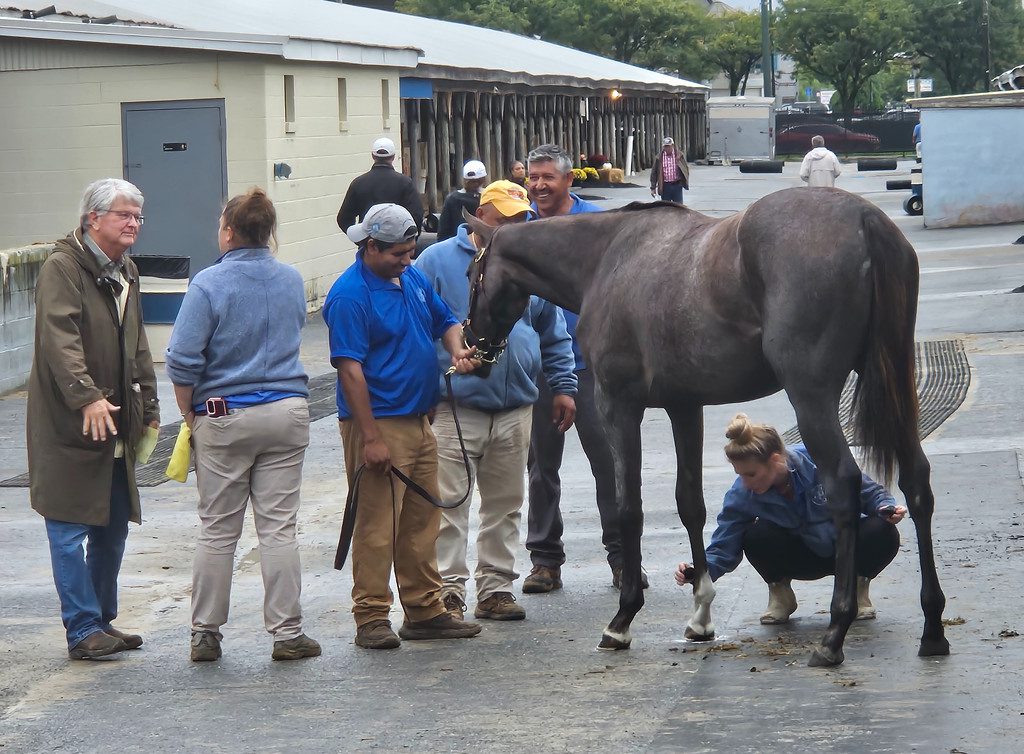
Buyers were expected to begin inspecting horses Sunday, with Monday also available for shopping before Tuesday’s auction.
Alosa encouraged prospective owners and curious racing fans alike to visit, ask questions, and learn what the regional programs offer. The catalog’s manageable size, he said, gives shoppers an opportunity to inspect broadly, even if they arrive seeking horses from only one state.

Pick up reliable and rewarding tickets for major events!
LATEST NEWS