


Of bits and blinkers
Equipment changes figured prominently in Laurel’s Saturday stakes
 Frank Vespe
 June 30, 2026

If clothes make the man, does equipment make the horse?
Neither is quite true, of course. But discussions of equipment, added or subtracted, figured pretty prominently in the aftermath of Laurel Park’s stakes this past Saturday.
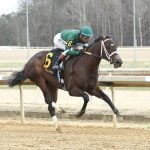
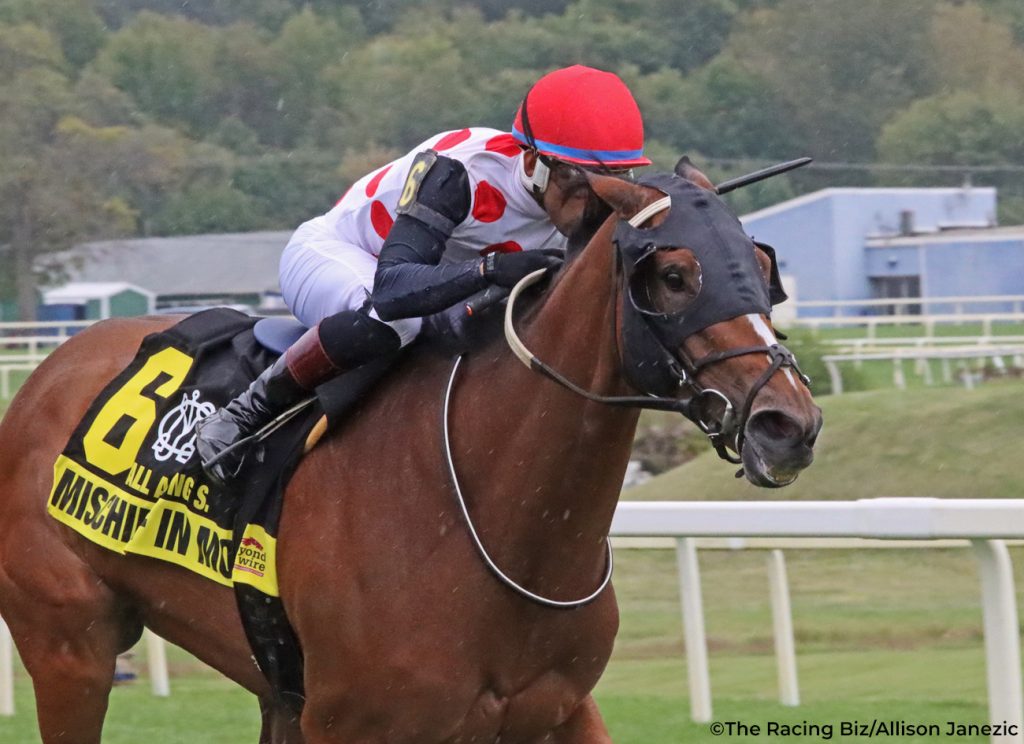
Take the case of Maida. The four-year-old Improbable filly dazzled in winning the Alma North Stakes by 10 ½ lengths in her first start of the year. The win was her fourth in five starts since adding blinkers, her lone defeat having come when off poorly at odds of 25-1 in the Grade 2 Raven Run at Keeneland last October.
This article contains affiliate links. If you click and buy, we may earn a commission at no extra charge to you.
Pick up reliable and rewarding tickets for major events!
So it’s the blinkers, right?
Well, no. Or at least, not entirely. Trainer Brittany Russell added the shades following Maida’s bland debut, when she finished fourth in a maiden event at Pimlico.
“I’ll be honest with you: we loved her in her first run, and she didn’t show up that day at Pimlico,” Russell said. “But looking back, I had about three question marks of things I could have done differently, and we fixed it all up.”
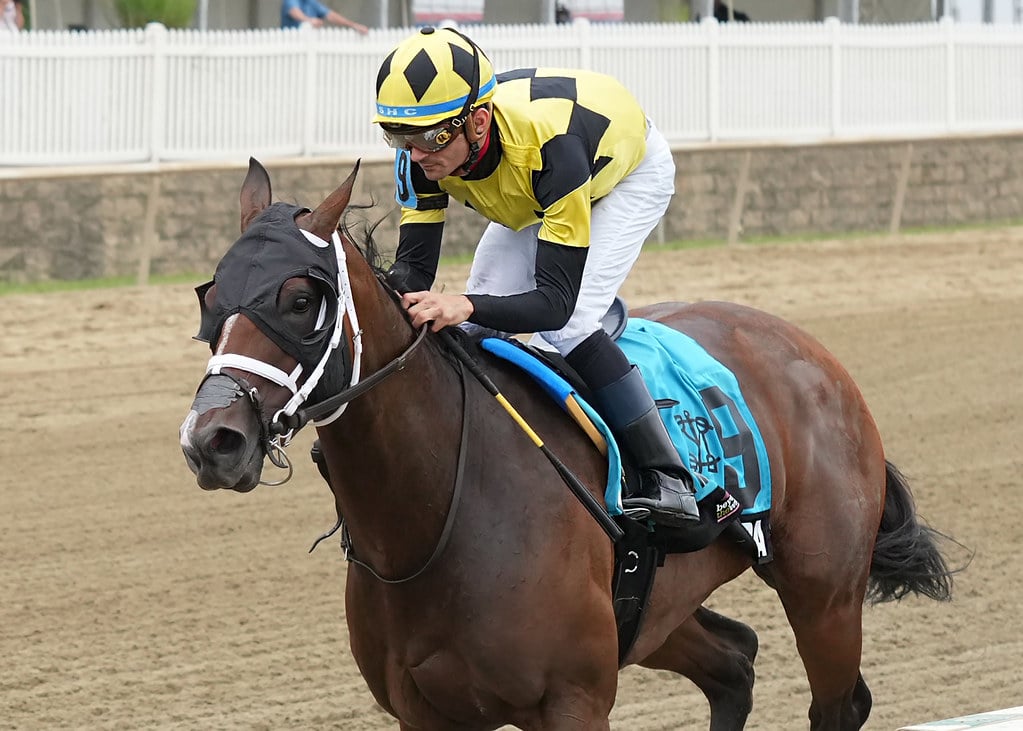
It also didn’t hurt, the trainer said, that the Alma North took place over Maida’s home track. With the win, she’s 3-for-3 at Laurel and 1-for-3 everywhere else. But her facile win suggests graded stakes are in her future, and that will require road trips.
“She’s good on this track, so I’m very impressed with today,” Russell said. “But I’d really like to see her be able to take it on the road.”
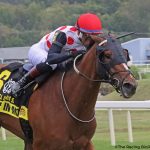
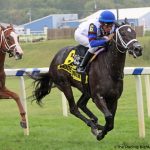
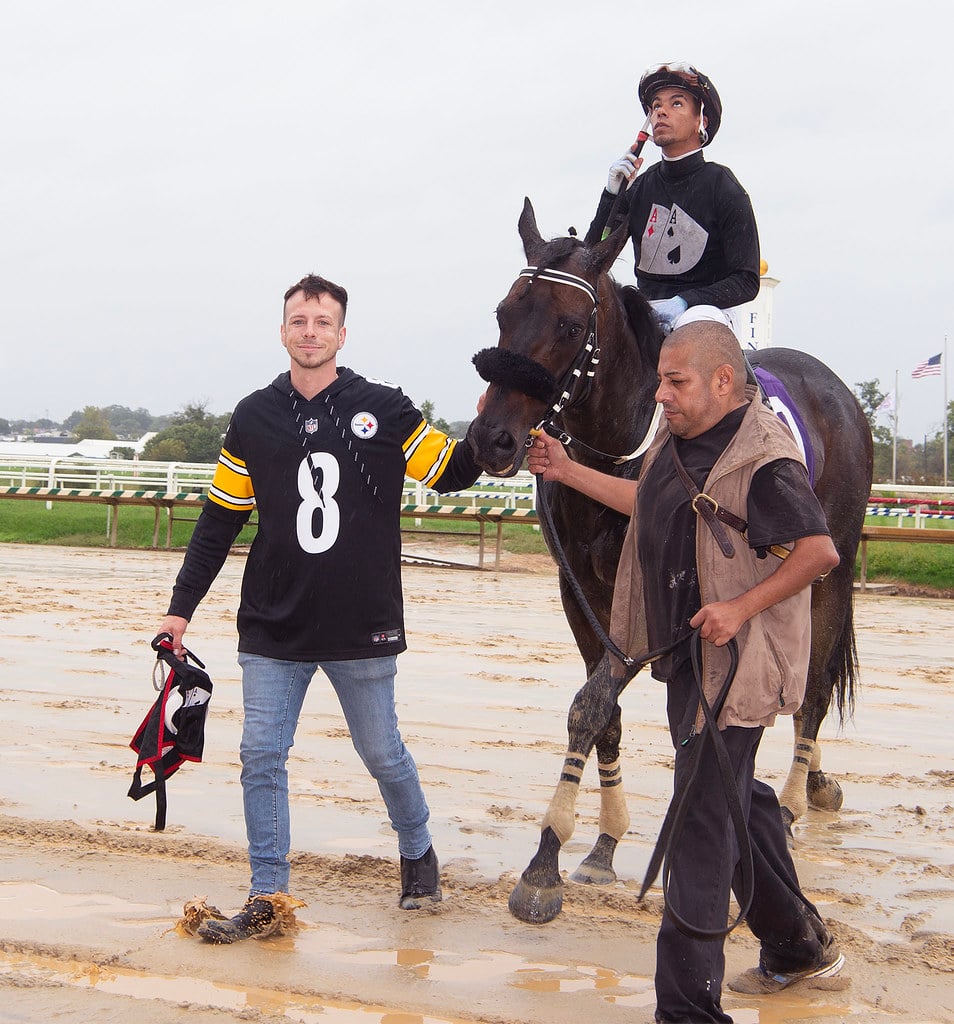
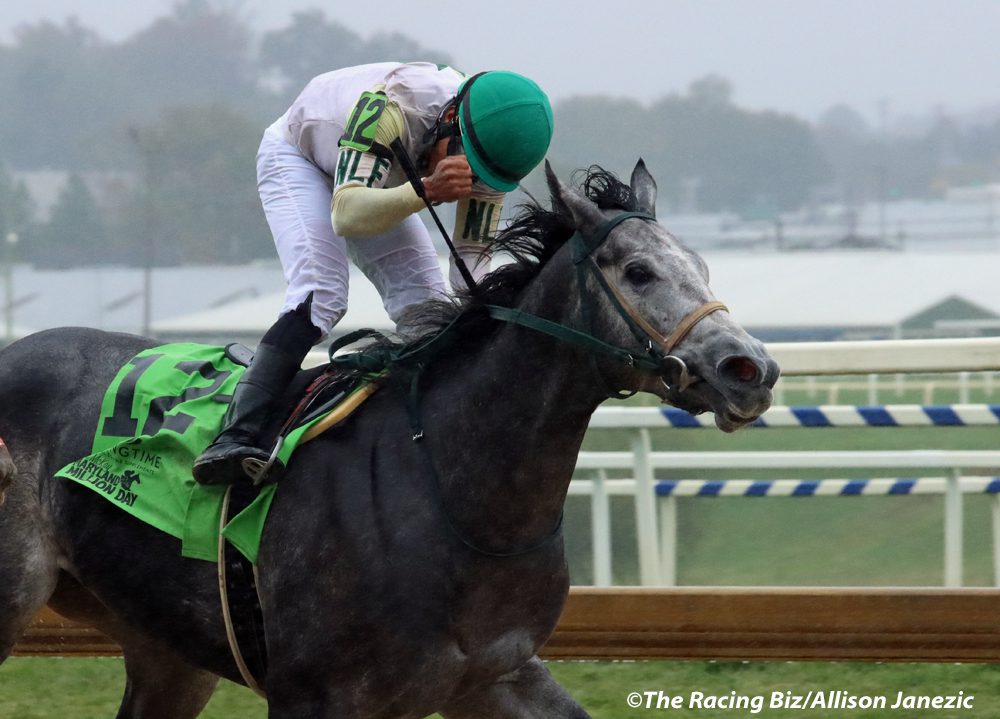
Another horse with proven Laurel form is the four-year-old Barbadian Runner. The Barbados gelding won Saturday’s Deputed Testamony by a nose for his seventh win in 14 local tries.
A bargain basement purchase, the win moved him within one good payday of $1 million banked. But things didn’t start out quite so impressively for the Henry Walters trainee.
Barbadian Runner ran some pretty good early races but had a problem lugging in on horses and won just one of his first eight starts. After the seventh of those, a third-place finish in the Maryland Juvenile Stakes, Walters added blinkers.
“We changed bits and added blinkers, and that helped a lot,” Walters explained early in 2025. “He was running well enough that, the first time he had lugged in, we just took it as it just happened. But after he did it the second time, we changed the bit, put the blinkers on.”
After using several different jockeys early in the gelding’s career, Walters also has settled on Forest Boyce to ride. The duo has finished first or second in 11 consecutive outings, nine of them stakes.
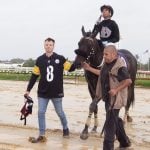
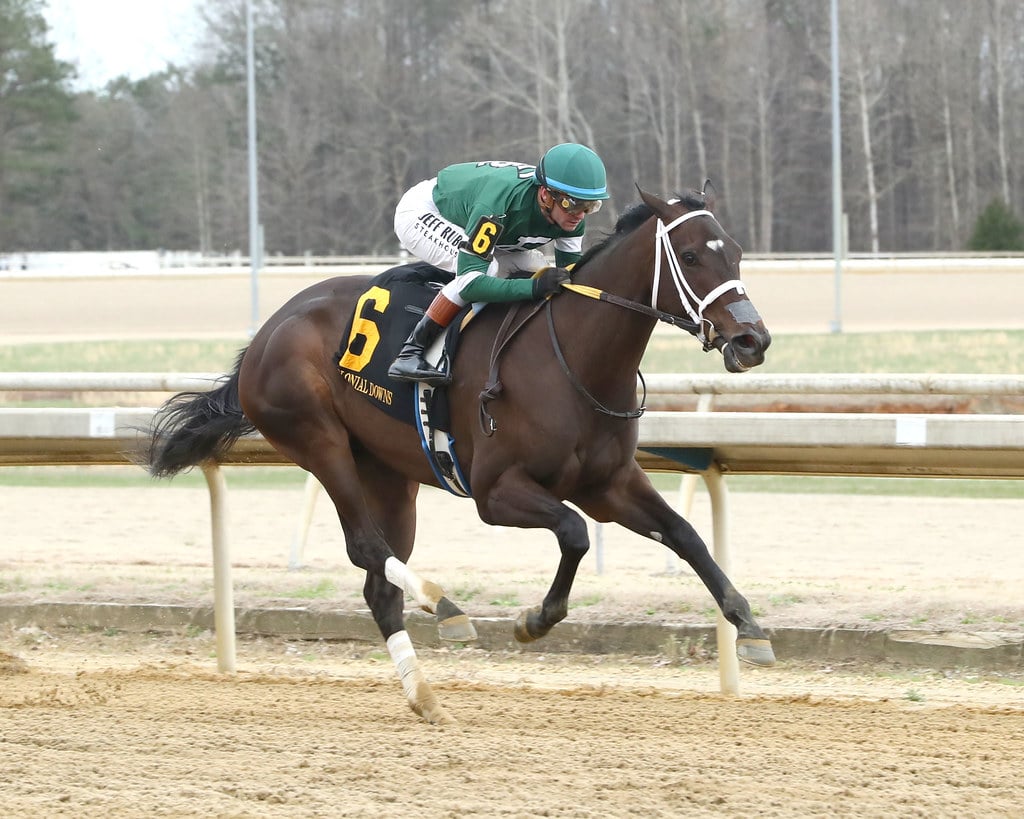
Of course, those equipment changes – a bit here, a blinker there – pale in comparison to that received by De Francis Dash winner Hymn earlier this year. The son of McKinzie was gelded following the 10th start and ninth defeat of his career.
“We really was a little slow gelding him because of the fact that he’s so beautiful, and we loved his family,” said trainer Ron Moquett. “We thought that if he was to run like he looked, he had the potential to be maybe somebody someone would want to breed to.”
The problem, Moquett said, was that Hymn was “a little quirky and a little inconsistent.”
Hymn won at first asking at two and then ran second and a close-up fourth, the latter in the Bath House Row Stakes at Oaklawn Park, in his next two outings. All of that suggested promise, but what came next didn’t deliver on it: he finished fifth or worse in four of his next five starts.
Eventually, Moquett said, “It was to the point where it was time to do it, and luckily the ownership agreed, and they’ve been paid back because he’s won three in a row now.”
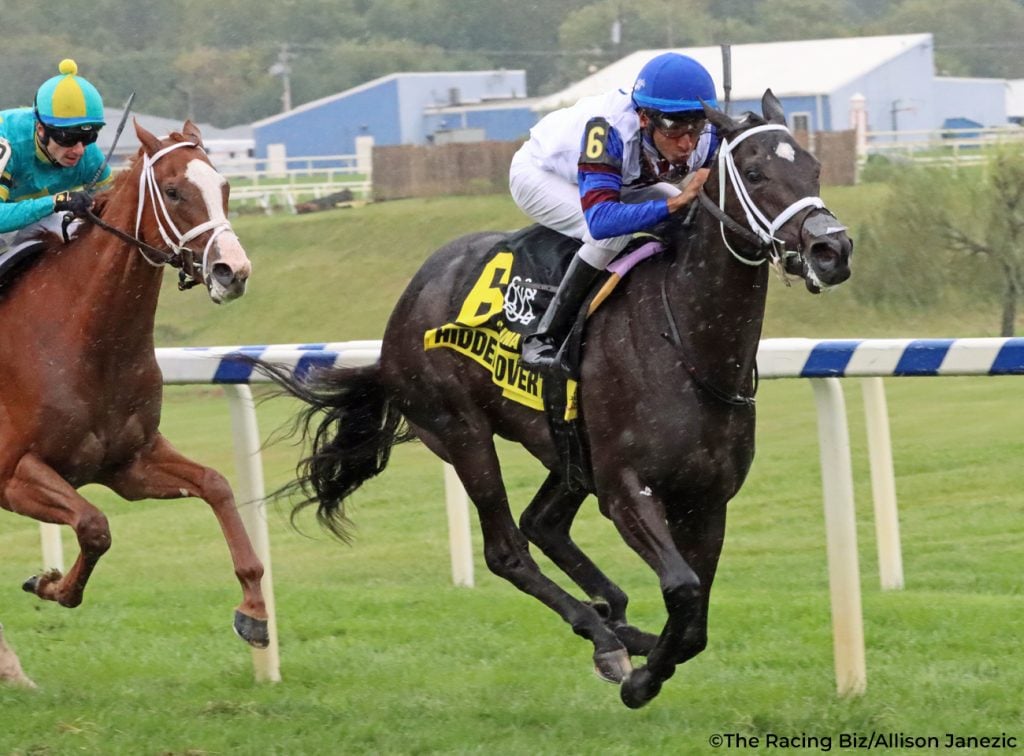
In Hymn’s final race as a colt, he finished fourth in a first-level allowance. He then came back to win allowance contests April 10 at Oaklawn and May 16 at Churchill Downs. And then Saturday’s De Francis Dash, in which he blitzed the field by over five lengths.
Hymn earned a Beyer figure of 98 in the De Francis, his highest to date. In fact, the three highest figs of his career have come in the three races since he was gelded. He’s becoming the kind of horse people might want to breed to, but minus the equipment required for it.
“Every time I run him, he’s a little bit better, a little bit smarter, a little bit more professional, and he’s a big sound horse with a lovely stride,” Moquett said. “I mean, it killed me to geld him, but I’d rather have a good gelding than a slow colt.”
Pick up reliable and rewarding tickets for major events!
LATEST NEWS