



BOOK REVIEW: The First Kentucky Derby
Book brings the first Derby — and what it means — to life
 Jennifer Kelly
 March 27, 2026

The facts are familiar: the first Kentucky Derby came in 1875, barely a decade after the Civil War, when Colonel Meriwether Lewis Clark, Jr. built a new racetrack in Louisville, Kentucky, and inaugurated what would become the country’s signature horse race. In a race contested at a mile-and-a-half, a red chestnut colt named Aristides, ridden by Oliver Lewis, won a purse of $2,850 for owner Henry Price McGrath before a crowd of 10,000 on the new track’s opening day.
A century and a half later, that new feature at an upstart racetrack has evolved into a bucket list event, the most exciting two minutes in sports at the heart of a party. Winning (or losing) the Run for the Roses can define the careers of both the horses and the people behind them. What was it about that first Kentucky Derby that set it up for this longevity? How did Clark’s vision of what racing could be become into this celebration of the sport?
This article contains affiliate links. If you click and buy, we may earn a commission at no extra charge to you.
Pick up reliable and rewarding tickets for major events!
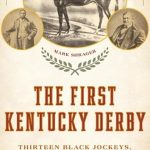
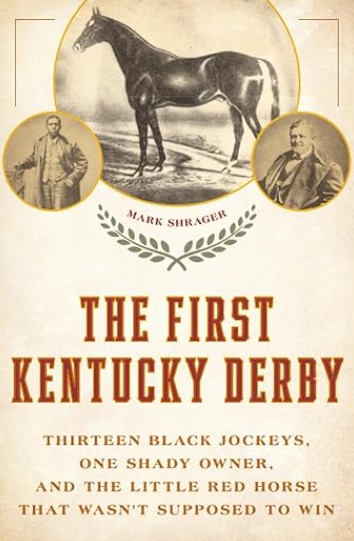
Mark Shrager’s The First Kentucky Derby: Thirteen Black Jockeys, One Shady Owner, and the Little Horse That Wasn’t Supposed to Win, newly released in softcover, goes beyond the familiar story and dives into racing as it was when the famed race came to be. This deep dive into the Derby’s origins offers a new perspective on Aristides and his career, as well as the role African Americans played in this foundational moment in American horse racing – and why remembering that history is an important part of our path forward.
A racing fan for more than 50 years, Shrager is the author of three other books on racing, including Diane Crump: A Horse Racing Pioneer’s Life in the Saddle, winner of the 2020 Tony Ryan Book Award, as well as a multitude of articles on the sport. He comes at the task of exploring the first Kentucky Derby with an approach that is both knowledgeable about racing and attuned to the complexities of the era of Aristides, Clark, Lewis, and Price.
His prologue details how the book evolved from a straightforward discussion of the who, what, when, where, why, and how into a narrative with three threads: sharing the origins of the country’s most famous race, fleshing Aristides out beyond his status as the answer to a trivia question, and exploring how a sport once dominated by African American jockeys and trainers was changed by the same social forces that transformed American society in the late 19th and early 20th centuries.
If that description conjures impressions of a book where the horses are bit players, the book’s opening chapters convince readers otherwise. Shrager shares not only the book’s own origins, but also an overview of the stories that brought us the name Derby (rather than Bunbury) and the historical context that informed the decisions and details that made the first Kentucky Derby. The First Kentucky Derby wants to do more than relay the events of the day: it wants to paint a picture of a long-gone moment in the sport that informs our era 150 years later.
To do this, subsequent chapters build on the straightforward series of events we know – the horse, his rider, his trainer, and his owner – and then fills in between the lines. That the first edition had thirteen African American jockeys has been discussed in previous tomes on the big race; the black riders that dominated those early contests get their lives and careers fleshed out in enough detail to understand what their absence means.
Shrager studies McGrath’s reputation as the ultimate gambler, a man willing to manipulate a race’s results in his favor that leads to the apocryphal tale of Lewis’s hesitation aboard Aristides. The horse also gets top billing as the author develops the first Derby winner into a talented racehorse with a career that was more than his signature win.
While weaving these threads together may sound like an ambitious undertaking, Shrager does it all capably, leaving readers feeling the springtime sunshine on their faces and the thrill of watching history happen in front of them. The First Kentucky Derby recounts the facts, sure, but also takes readers another step farther into the months and years before and after May 17, 1875, transforming that first edition at the racetrack then known as the Louisville Jockey Club from a footnote into a main event that helps modern fans appreciate the roots of the first Saturday in May.
As we count down to the 152nd edition of the Run for the Roses, this trip down memory lane with author Mark Shrager builds the details of that beautiful Bluegrass day into a defining moment in the story of American horse racing.

Pick up reliable and rewarding tickets for major events!
LATEST NEWS